
Irakli Burdiladze on BMG: Real Estate Market Trends & Financial Results
16 Sep 2026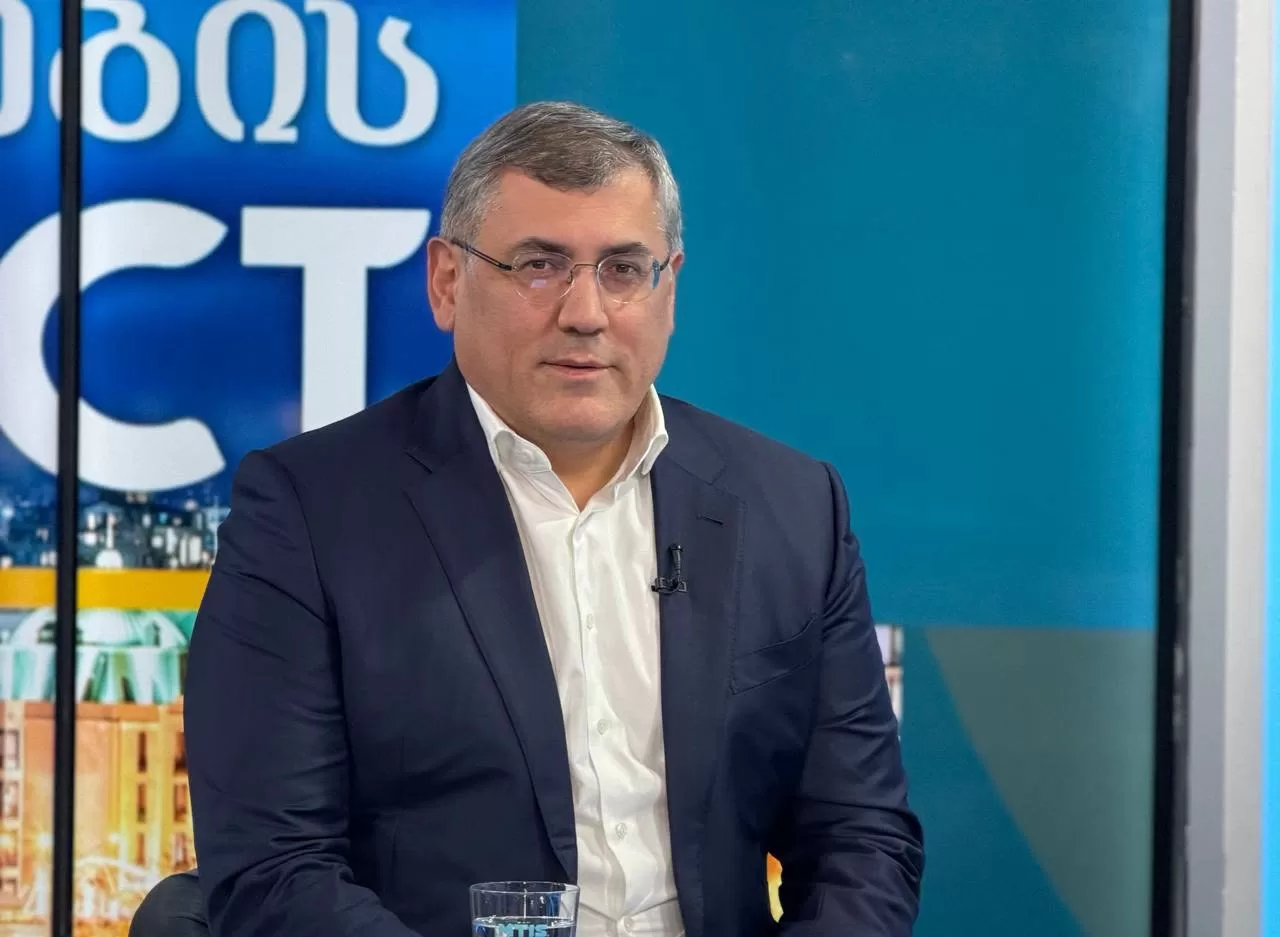
Investment bank Galt & Taggart’s latest research evidences that demand for residential real estate in Tbilisi remained robust through July 2026. This heightened market activity was driven by improving consumer sentiment and a strong macroeconomic backdrop. A stronger Lari (GEL) and recent interest rate cuts played a major role in sustaining this momentum.
Discussing these market dynamics on BMG’s Real Estate Prospect, BK Holding Managing Partner Irakli Burdiladze noted that the sector's growth trajectory is still running hot.
"Looking at Galt & Taggart's numbers for the first seven months, market volume is up 27% year-over-year. We're seeing more transactions and higher valuations across the board," he explained. "We feel this momentum within our own company. Our sales are up 40% compared to last year, which really highlights the persistent demand for housing in Tbilisi."
What’s actually driving this surge? Burdiladze points to a structural demand: roughly 70% of Tbilisi's housing stock is highly depreciated and urgently needs replacing. As the broader economy expands and household incomes rise, people naturally want to upgrade their living conditions, transitioning from older buildings into modern, newly developed residential complexes.
"Real economic growth hit 8% this year, while real estate prices saw a nominal increase of 9%. The sector is moving practically in lockstep with the economy," he argued.
Digging into the inventory data makes the picture even clearer. Based on Galt & Taggart's tracking, developers have already sold 80% of the units slated for completion this year. For projects completing next year, the absorption rate sits at 66%, and even for developments two or three years out, 60% of the inventory is already spoken for.
These metrics point to a genuinely healthy market. While the typical end-user is simply looking for a primary residence, early-stage, off-plan projects with high ROI potential are aggressively pulling in both local and international capital”.
Wrapping up the interview, Burdiladze shifted focus to the development pipeline at Tetri Kvadrati, the real estate subsidiary of BK Holding. The company is currently leaning heavily into master-planned community concepts. With 11 active projects covering half a million square meters of development space, Tetri Kvadrati has firmly secured its position as the second-largest developer in the country.